الصورة وحدها لا تكفي مرجعًا معتمدًا
كثيرًا ما يُختزل اعتماد الزخرفة في صورة بالهاتف ورسالة تقول: «تم اعتماد اللون». هذا توثيق مريح، لكنه ضعيف من الناحية الفنية. فمعالجة الصورة وإعدادات الشاشة والإضاءة المحيطة والخلفية قد تغير اللون الظاهر بدرجة كبيرة. كما أن الصورة لا تحدد اللمعان أو الضبابية أو الملمس أو العتامة أو تطابق مواضع ألوان الطباعة أو تغطية الحواف أو متانة الزخرفة.
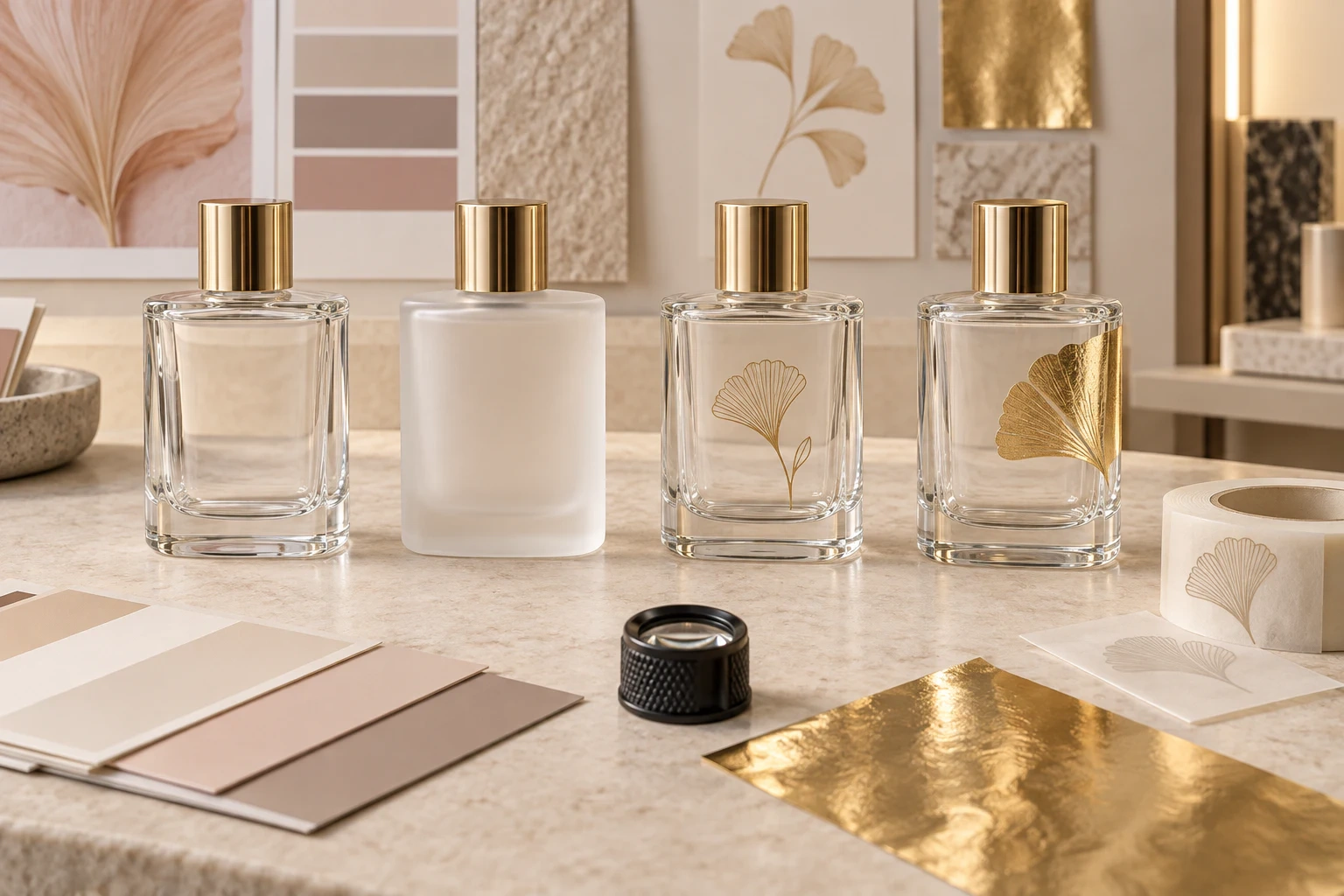
يجب أن يجمع مرجع الإنتاج بين عينة فعلية ومعايير مكتوبة. فالزجاجة المرجعية تُظهر الانطباع البصري المطلوب، بينما توضح المواصفة الخصائص الخاضعة للضبط، وطرق قياسها، والتفاوتات المقبولة. ولا يكفي أي منهما دون الآخر.
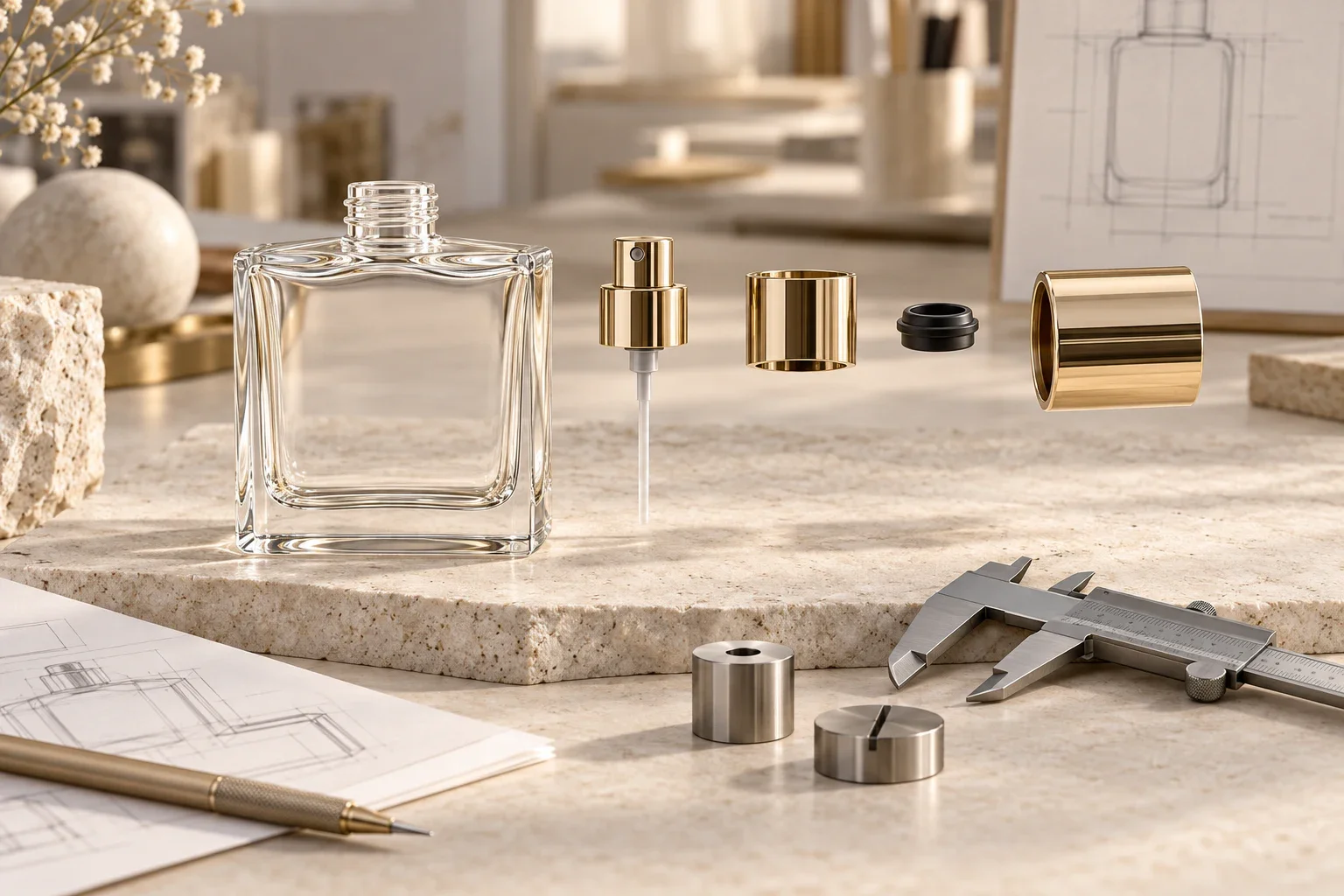
ينبغي إعداد العينة المرجعية على الزجاجة المخصصة للبيع، وبالتسلسل المخطط لعمليات الإنتاج. فالطلاء المعتمد على قطعة اختبار زجاجية مسطحة قد يتصرف بصورة مختلفة عند الأكتاف والزوايا وخطوط التقاء القالب والقاعدة السميكة. وقد يتغير الختم الحراري المعتمد قبل وضع الطبقة النهائية بعد اكتمال التصلب. لذلك يجب أن يمثل المرجع البنية النهائية بكل طبقاتها.
اضبط السطح الأساسي قبل تقييم التشطيب
قد تُبرز الزخرفة تفاوتات موجودة أصلًا في الزجاج. فتوزيع سماكة الجدران يغير اللون المرئي عبر الضوء النافذ، وتؤثر خطوط التقاء القالب في الطباعة وانسياب الطلاء. وقد تسبب ملوثات السطح حفرًا صغيرة أو ضعفًا في الالتصاق. كما تصبح اختلافات الصقل باللهب وآثار المناولة أكثر وضوحًا تحت التشطيبات المطفأة أو المعدنية.
قبل تجارب الزخرفة، حدد مصدر الزجاجة وإصدار القالب وحالة السطح وعملية التنظيف المقبولة. واحتفظ بزجاجات غير مزخرفة من الدفعة نفسها للمقارنة. فإذا ظهر عيب لاحقًا، تساعد هذه العينات على التمييز بين تفاوت الزجاج وخلل الطلاء أو التصلب.
ينبغي التعامل مع المعالجة المسبقة بوصفها مرحلة إنتاج تخضع للضبط، لا مجرد تحضير ثانوي. فقد تؤثر مواد التنظيف والمعالجة باللهب أو البلازما وسرعة الخط والفاصل الزمني بين التحضير والطلاء في الالتصاق. وأي تغيير يجريه المورد على هذه العناصر يستحق المراجعة، حتى إن بقيت تركيبة اللون المعلنة كما هي.
افصل تقييم اللون عن خصائص السطح
قد تتقارب القياسات اللونية لعينتين، بينما تبدوان مختلفتين لأن إحداهما أشد لمعانًا أو ضبابية أو أكثر بروزًا في الملمس. يجب أن يحدد المرجع اللون المستهدف وحدود التفاوت، مع الاتفاق على هندسة القياس ونوع الإضاءة وموضع القراءة والخلفية المستخدمة. وتتطلب التشطيبات الشفافة وشبه الشفافة عناية خاصة، لأن جدار الزجاجة والسائل المستخدم لمحاكاة المحتوى يؤثران في القراءة.
يُقاس اللمعان بهندسة قياس مناسبة لمستوى لمعان السطح. أما الضبابية المرئية وملمس قشر البرتقال والتغيم وآثار انسياب الطلاء، فتحتاج إلى عينات توضح حدود القبول أو إلى تعريفات مكتوبة للعيوب. وفي الطلاء المتدرج، حدد موضع الانتقال واتجاهه، والحدين الأدنى والأقصى للتغطية، وعدم التماثل المسموح به. فعبارة «تدرج منتظم» لا تكفي لمن يفحص آلاف الزجاجات.
استكمل القياسات بالأجهزة دائمًا بتقييم بصري تحت إضاءة مضبوطة. فقد تتطابق عينتان تحت مصدر ضوء وتختلفان تحت آخر، وهي ظاهرة تُعرف بالميتامرية. افحص العبوة تحت إضاءة تمثل ظروف العرض في المتاجر والتصوير والاستخدام اليومي قدر الإمكان.
حدد مراجع واضحة لموضع الطباعة والختم الحراري
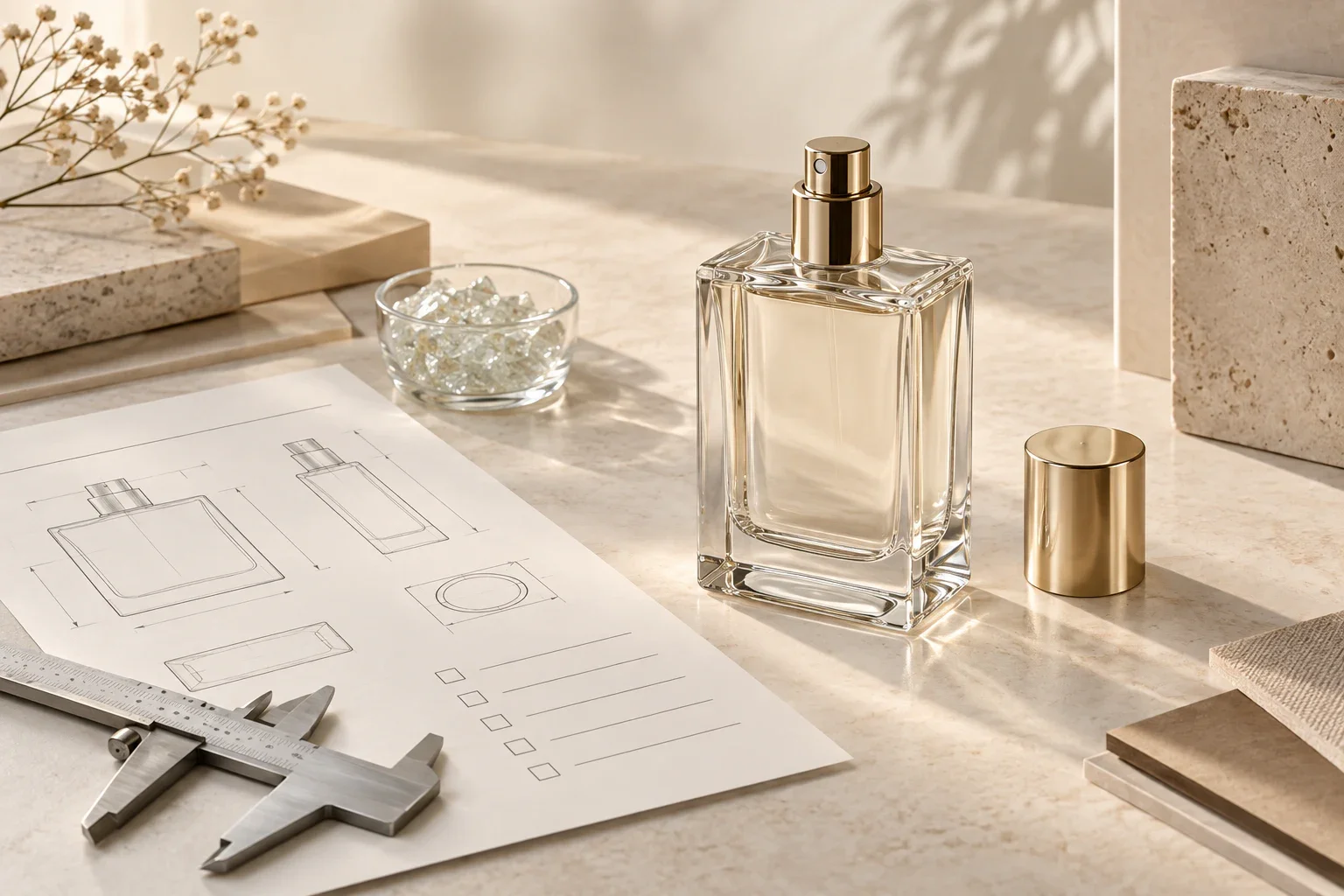
تصف ملفات التصميم أشكالًا ثنائية الأبعاد، بينما تتسم الزجاجات بانحناءات وتدرج في القطر وخطوط قالب، وقد يختلف اتجاهها عند وضعها على قاعدة الارتكاز. يجب أن يحدد المرجع نقطة إسناد الطباعة، وموضعها الرأسي والأفقي، ومحاذاتها الزاوية، والتشوه المسموح به، وطريقة تثبيت الزجاجة في أداة التثبيت.
في الطباعة على عدة تمريرات، قد يكون تطابق مواضع الألوان أهم من الموضع المطلق للتصميم كاملًا. وفي الختم الحراري، قيّم التغطية وحدّة الحواف والنقاط الصغيرة التي لم تنتقل إليها الرقاقة والتشققات والالتصاق عند الانتقالات المنحنية. ويتغير المظهر المعدني أيضًا بحسب اتجاه الرقاقة والضغط ونعومة السطح الأساسي.
استخدم صورًا مكبرة لشرح فئات العيوب، من دون أن تحل محل العينة الفعلية والمعايير المكتوبة أو تتقدم عليها. وينبغي أن يميز دليل العيوب بين العيوب الحرجة، مثل غياب معلومات إلزامية، والعيوب الكبيرة في المظهر، والتفاوتات البسيطة التي لا تظهر إلا عند الفحص عن قرب.
اجعل اختبارات المتانة ممثلة لرحلة المنتج النهائي
الالتصاق مباشرة بعد التصلب ليس سوى البداية. فقد تتعرض الزخرفة لملامسة أدلة التوجيه في خط التعبئة، وتركيب الغطاء، وحوامل التثبيت داخل العلبة، والاهتزاز، وتغيرات الحرارة، وقطرات العطر، والكحول، ودهون البشرة، والمناولة المتكررة. ويجب أن تراعي خطة الاختبار هذه المؤثرات.
حدد مدة تهيئة العينات قبل الاختبار، لأن بعض أنظمة الطلاء تواصل تطوير خصائصها بعد مغادرة الخط. واستخدم، حيثما ينطبق ذلك، طرقًا متفقًا عليها لاختبار القطع الشبكي أو الالتصاق بالشريط، واختبارات احتكاك بحمل وعدد دورات محددين، واختبارات كيميائية بالتلامس الموضعي باستخدام التركيبة الفعلية أو سوائل اختبار يستند اختيارها إلى مبرر فني. وسجل ما إذا كان معيار القبول يتعلق بتغير اللون أو التليّن أو انتقال المادة أو تكوّن الفقاعات أو فقدان الالتصاق أو التآكل المرئي.
اختبر الزجاجة المزخرفة مع غطائها وعبوتها الخارجية. فقد تخدش الحافة السفلية للغطاء كتفًا مطليًا، وقد يصقل حامل التثبيت سطحًا مطفأً، كما قد يترك الورق الرقيق ولب الورق المصبوب آثار تلامس مختلفة أثناء الاهتزاز. تربط اختبارات المنظومة الكاملة بذلك بين مقاومة الزخرفة في المختبر وأداء العبوة الفعلي.
اعتمد الانتقال إلى الإنتاج على مراحل
تثبت عينة مختبرية أُنجز تشطيبها يدويًا الاتجاه الجمالي المطلوب، لكنها لا تثبت القدرة على تكراره في الإنتاج المتسلسل. نظّم الاعتماد على مراحل: عينة الفكرة، وتجربة العملية، والدفعة التجريبية، ثم أول دفعة تجارية. وفي كل مرحلة، سجل المتغيرات التي أصبحت ممثلة للإنتاج والمخاطر التي ما زالت دون حسم.
يجب أن تستخدم الدفعة التجريبية المعدات وأدوات التثبيت وظروف التصلب وطرق الفحص المقررة. واختر العينات المرجعية من إنتاج مستقر، لا من قطع أُعيد العمل عليها أو ضُبطت كل منها على حدة. وعندما لا تكفي زجاجة مثالية واحدة لوصف التفاوت الطبيعي، احتفظ بمجموعة عينات معتمدة تمثل النطاق المقبول.
- التعريف: مصدر الزجاجة، وتركيبة الزخرفة، وإصدار ملف التصميم، وتسلسل العمليات، وتاريخ الاعتماد.
- المظهر: اللون، واللمعان، والضبابية، والعتامة، والملمس، والتغطية، وموضع التدرج.
- العناصر الرسومية: الموضع، وتطابق مواضع ألوان الطباعة، ووضوح الحواف، وسلامة الختم الحراري، والاتجاه.
- المتانة: الالتصاق، والاحتكاك، والتعرض الكيميائي، والتلامس أثناء التجميع، ومقاومة مؤثرات النقل.
- حدود العيوب: أمثلة للعيوب الحرجة والكبيرة والبسيطة، مع ظروف المشاهدة.
- إدارة المرجع: العينات المحفوظة، ومدة الاحتفاظ بها، والإبلاغ عن التغييرات، والحالات التي تستلزم إعادة الاعتماد.
لا يفرض المرجع الجيد للزخرفة أن تبدو كل الزجاجات متطابقة تحت التكبير. بل يحول الرؤية التصميمية للعلامة التجارية إلى معايير مشتركة قابلة للتطبيق في الإنتاج. وبهذا تستطيع فرق التصميم والتصنيع والفحص اتخاذ القرار نفسه، حتى عندما لا يكون الفريق الإبداعي حاضرًا بجوار الخط.